Good food has many sources
Bringing it together is what we do
A strong regional food system is something we build together
A strong regional food system needs farmers who grow our food, organizations working to feed their communities, and the connections and infrastructure that bring them together.
The Food Shed helps make those connections possible. We create new market opportunities for local farmers while helping schools, food banks and community organizations access nutritious, affordable food, whether it's locally grown, recovered or purchased through our grocery partners.
We're a nonprofit wholesale food distribution centre and warehouse in Armstrong, BC, and a project of Land to Table Network Society.
“There's no such thing as free food. Even when food is offered for free, the transportation, storage and coordination all costs money. The Food Shed really helps increase efficiencies and get more food into food banks where it's needed to feed our vulnerable community members.”
— Melissa Hemphill, Food Access Manager, The Food Shed
A space to store food & the connections to move it
The Food Shed brings together locally grown food, recovered food and grocery staples to help organizations access what they need through coordinated purchasing, storage and distribution.
We handle the logistics and relationships behind moving food, so farmers can focus on growing and community organizations can focus on feeding people.
Purchasing
Order regional produce and grocery staples through one online platform. We work directly with regional farmers and other suppliers to coordinate your purchases.
Storage
Our Armstrong warehouse provides space to receive, store, build orders and organize food before distribution.
Distribution
We coordinate deliveries to schools, food banks, community organizations and other wholesale buyers.
Food Recovery
We recover food from the food system to redistribute to rural and remote communities.

What goes into our pricing
Fair prices for farmers
We work directly with regional growers to agree on prices that reflect the cost of producing food. Crop contracts establish quantities, prices and delivery schedules, giving farmers greater certainty and helping customers plan their food budgets.
Different food sources, shared infrastructure
The Food Shed brings together locally grown food, recovered food and grocery products. Each has a different cost structure, but all rely on coordination, storage and transportation to reach the organizations that need them.
Covering the cost of moving food
Receiving, storing, filling orders and distributing food takes people, space and equipment. Revenue from food sales and services, together with external funding, helps cover these operating costs. As a nonprofit, our goal is to sustain these services, with any surplus reinvested in The Food Shed.
Making food more accessible
By coordinating purchasing and distribution, we help organizations make better use of their existing food budgets while creating new markets for local farmers. We seek additional funding to bridge the gap between fair prices for producers, affordable food for community organizations, and the real costs of storing and moving food. This helps us improve access to nutritious food from a range of sources, without asking farmers to lower their prices or community organizations to carry the full cost of distribution.
"For us, The Food Shed fills a gap in reaching more people. We want to feed more folks good organic produce."
— Veronika Faulkner, Song Hollow Farm, Grindrod
How the idea took Root
The Food Shed is a project of Land to Table Network Society. Rooted in the North Okanagan, Land to Table connects people and organizations across the Southern Interior’s food system, identifies shared needs and helps communities develop local food solutions.
Through Land to Table’s work, we realized getting food from farms to community organizations took coordination that neither side could always manage alone.
Limited staff time, storage and transportation made buying and selling local harder than it needed to be. Rural food banks faced another barrier: large donations were available, but transporting them could be cost prohibitive and receiving them often exceeded their capacity.
The Food Shed grew from that work…a shared response shaped by the people growing food and the organizations feeding our communities.
“The Food Shed is about more than moving food. We're building the connections and shared infrastructure that make it easier for local farmers to reach new markets, and for schools, food banks and community organizations to access the food they need. By bringing people and resources together, we're creating opportunities for farmers, making good food more accessible, and helping build a stronger, more resilient regional food system.”
— Liz Blakeway, Executive Director, Land to Table Network
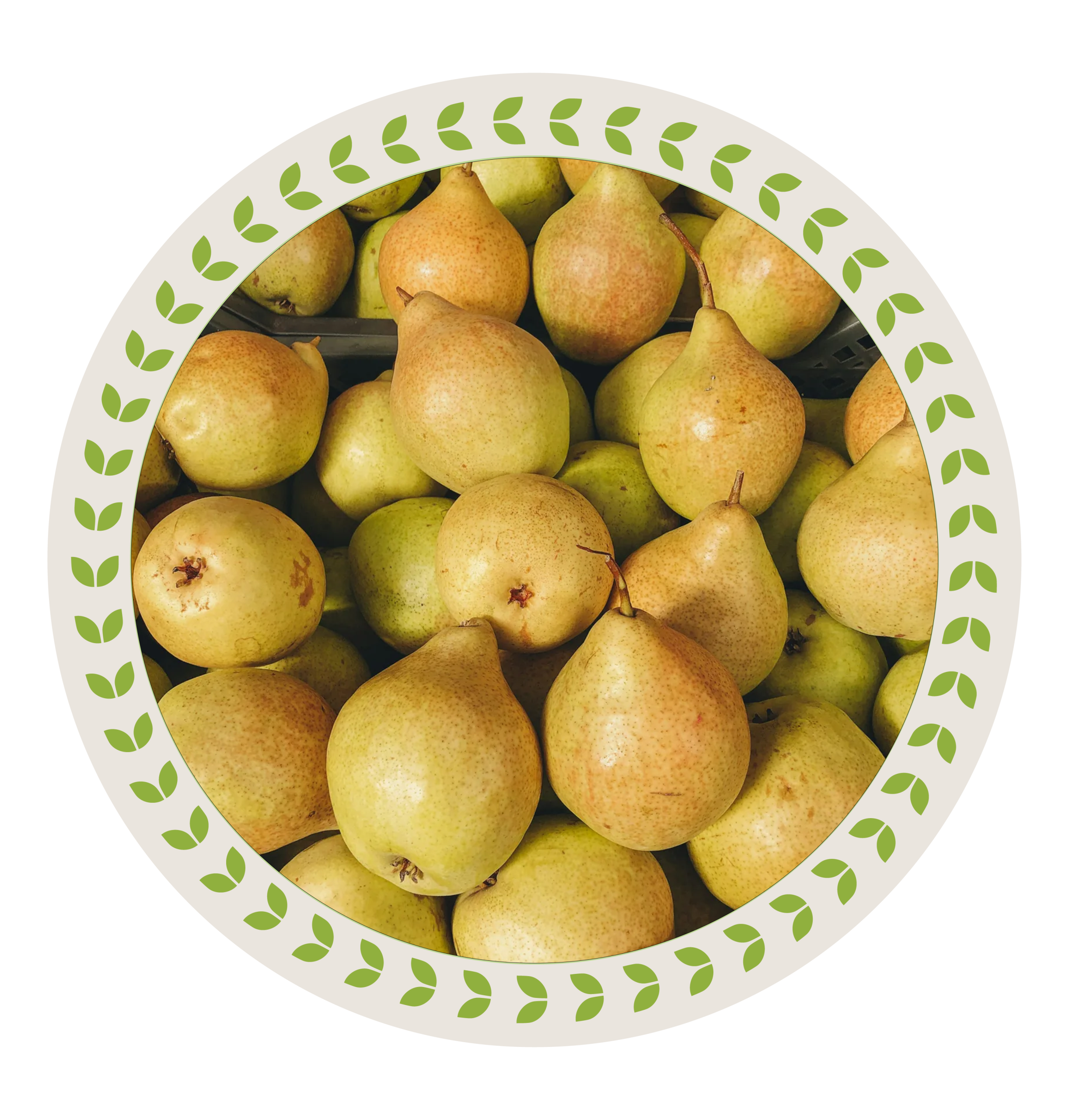
There's more to local than a pin on a map
Introducing

Where our food comes from matters. So does how it was grown.
With Local+, we’re developing a standard and approach that helps you understand the practices behind your purchases.
Here's what goes into the "+"
Land and water:
Care for soil, water and biodiversity.
Farm Workers:
Fair treatment of the people growing your food.
Farm Livelihoods:
Prices and opportunities that support viable farms.
Community:
Contributions to the places where farms grow and people live.
We get to know farms through conversations and relationships, and recognize that farmers take different paths toward these goals.
Local+ is being developed to complement existing certifications, including organic. It will help buyers recognize local farms that go the extra mile to care for the land, support their workers and contribute to their communities.
Good things grow with support
Shared food infrastructure takes shared support. Thank you to the funders and partners investing in the storage, coordination, recovery and transportation that connects food with our communities.
The Food Shed is primarily funded by United Way BC and the Ministry of Social Development and Poverty Reduction, with support from the Regional District of North Okanagan’s Rural Economic Development Grant Program, City of Vernon, Economic Trust of the Southern Interior, and Salmon Returns.





The values that guide our work
Relationships
We prioritize relationships built on trust, respect and reciprocity. We believe meaningful and lasting food systems change happens through strong relationships that connect people, organizations, communities and sectors.
Regeneration
We contribute to the regeneration of lands, waters, economies and communities. We seek to leave things better than we found them, supporting the long-term health, resilience and vitality of the systems that sustain us.
Reconciliation
We recognize reconciliation as essential to food systems change. We are committed to learning, relationship-building and supporting Indigenous food sovereignty, while working to understand and address the ongoing impacts of colonization within food systems.
Fairness
We work to identify and address inequities within the food system. We recognize that power, access and opportunity are not evenly distributed, and we strive to create conditions that enable broader participation, inclusion and shared benefit.
Community-centred
We place community at the centre of the systems we help create. We believe food systems should be shaped by and for the people they serve, reflecting local strengths, needs, knowledge and aspirations.
Meet your team
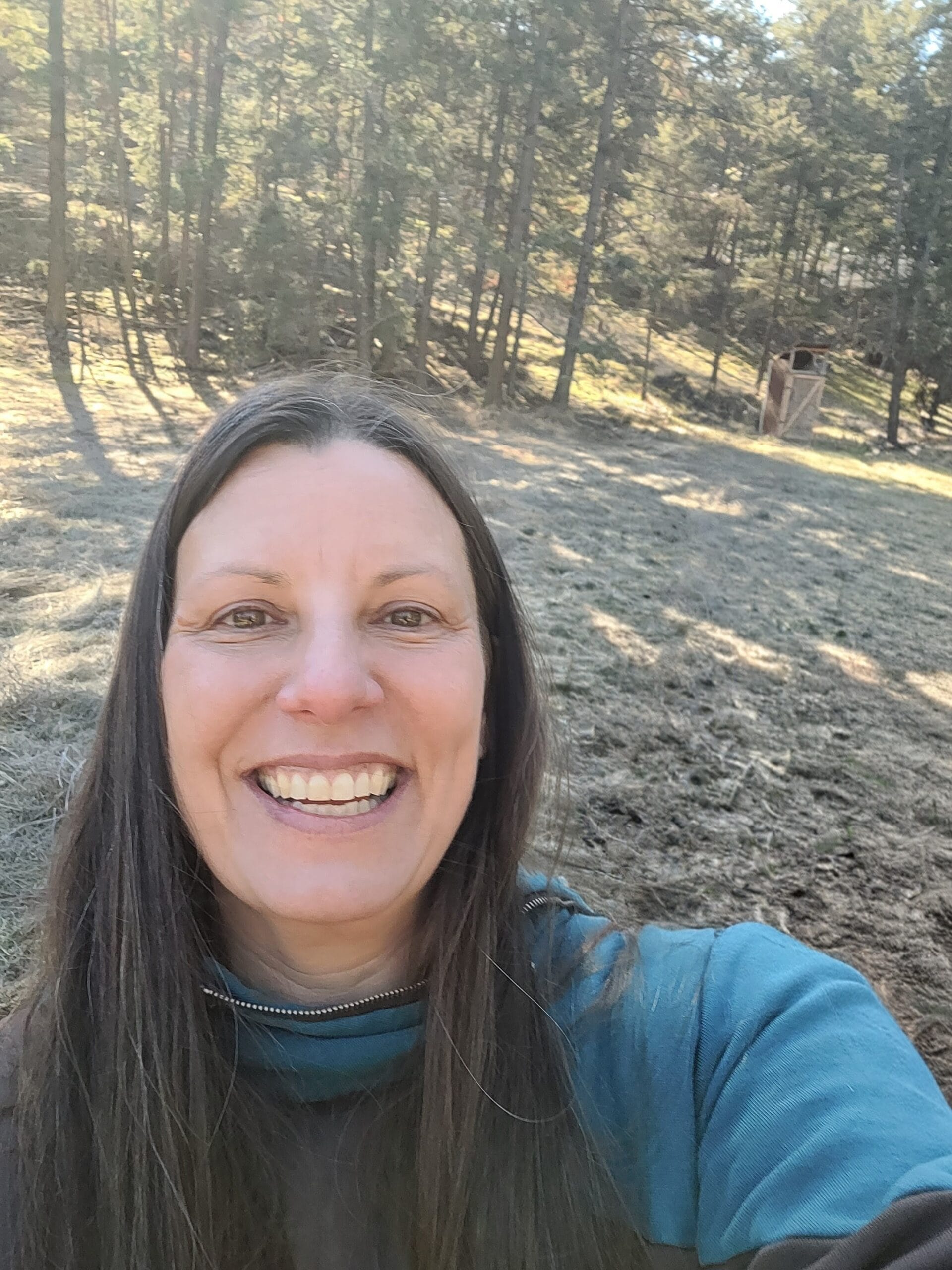
Stephanie Sundquist
The Food Shed Manager
Stephanie brings 15 years of experience connecting local farmers with communities, with a background in operations, purchasing, financial auditing and food processing. A Registered Holistic Nutritionist, she combines practical logistics expertise with a commitment to making local food more accessible. At The Food Shed, she focuses on shared storage, food recovery and transportation to help farms and food providers work together.
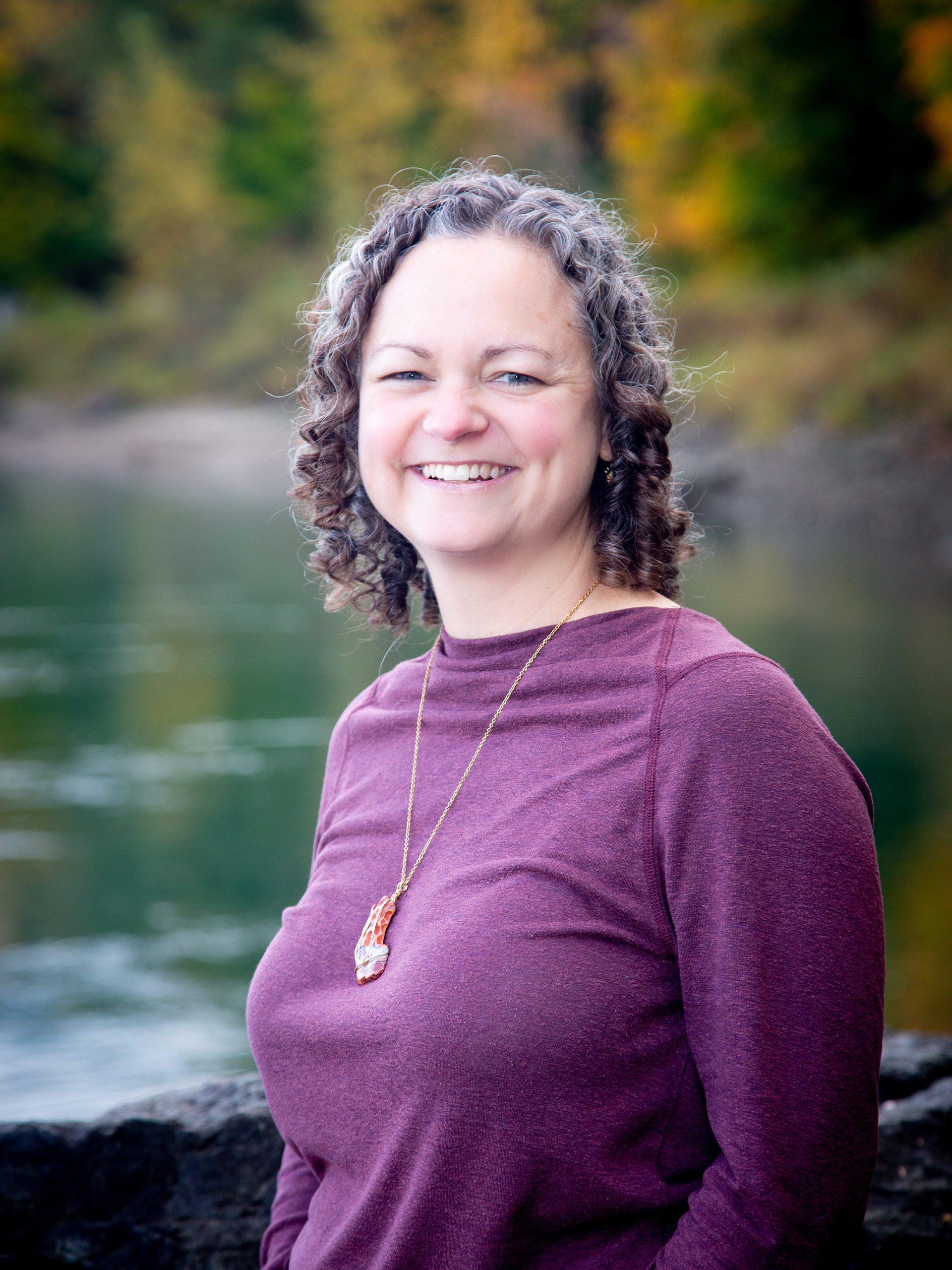
Melissa Hemphill
Food Access Manager
Melissa brings more than a decade of experience developing community food security programs in rural BC. She coordinates The Food Shed’s Food Recovery Access Subscription across the Columbia-Shuswap and Kootenay regions, building on her work with the Regional Food Procurement Network and as author of the BC Hunger Report for Food Banks BC. With a background in biochemistry and natural nutrition, she works to strengthen food access and build resilient local food systems.
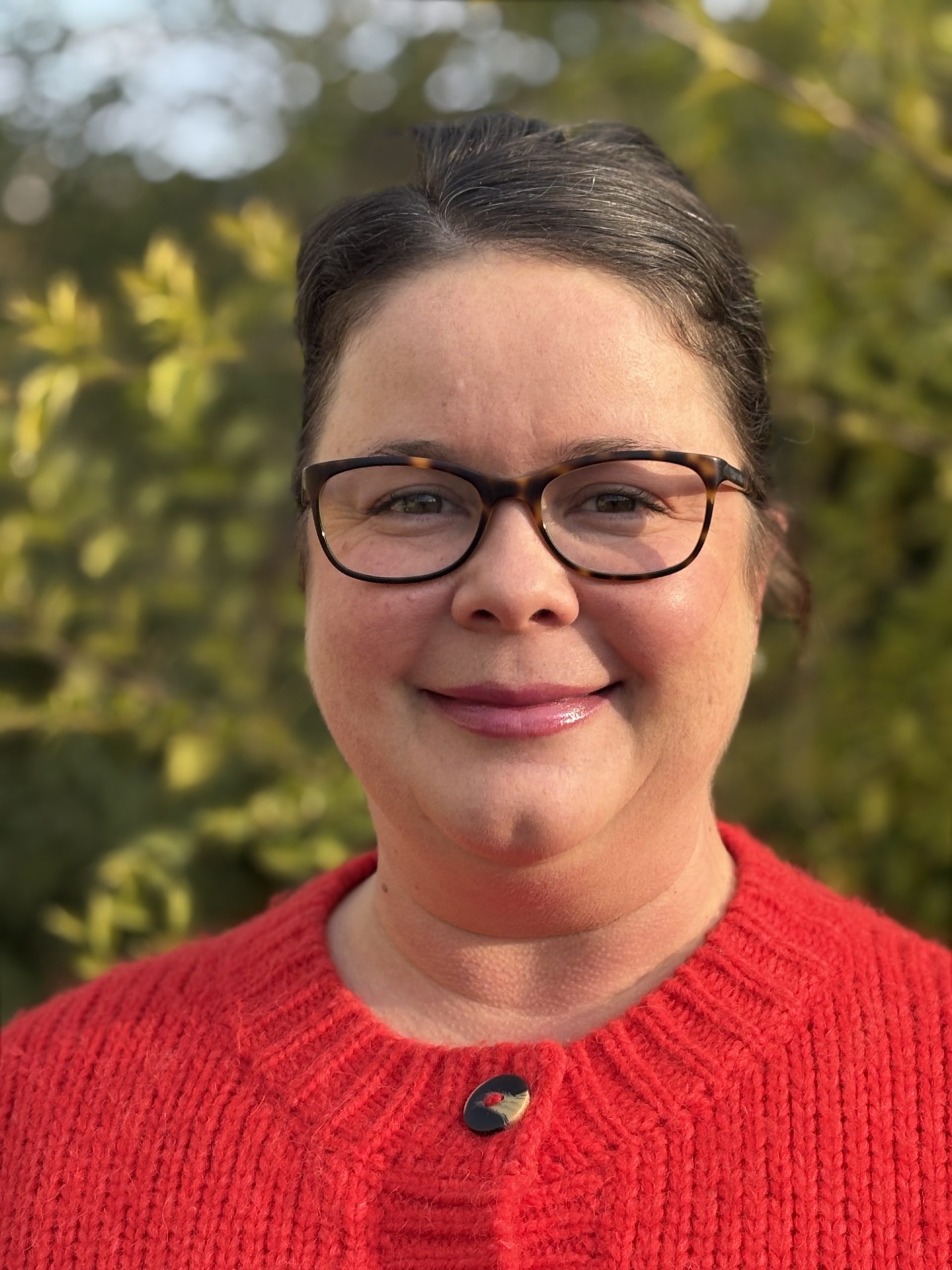
Janine de la Salle
Field Office Manager
Janine brings more than 20 years of experience helping communities, businesses and public institutions plan and develop resilient food and agriculture systems. A Registered Professional Planner and principal of Urban Food Strategies, she joined Land to Table in 2024 to secure funding and develop the concept and plan for The Food Shed. She leads The Field Office, Land to Table’s farmer support and capacity-building program, with work spanning business planning, securing a site and engaging farmers in The Food Shed’s development.